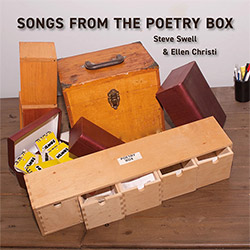
The sense of urgency that permeates this release comes from a very direct poetic vocal style combined with a wide variety of poignant sounds from Steve Swell's trombone and pocket trumpet and Ellen Christi's multi-instrumental sonic backdrops for the words of Swell's poems. In addition, several other artists contribute to some of the 21 tracks, each shaped around one of Swell's poems.
Swell's voice is quietly dramatic and direct...someone speaking to you, telling it straight, as in "Astonishments" or "The View from 1962" or "Normal is the New Avant-Garde." The style is spoken word, free verse, with meditative, personal history and social themes conveyed via vivid imagery side by side with abstract observations expressed through some effective metaphorical and symbolic tropes. A good example of the effectiveness of the poetic style is "Another Tattered Venue," which describes the scene that Swell and many creative musicians like him inhabit, the often run-down, low-rent places where this music gets presented and what this says about social values and the politics of artistic practice.
At times the poems echo Gary Snyder's pithy philosophical tone (as in "Musical Chess" and "Tryptich"), or Robert Frost's documentary quality (as in the narrative "The View from 1962"), but the poetry's subjects are all very much close to Swell's experience and colored by his particular aesthetic concerns.
The intensity of Songs from the Poetry Box is also the result of the combination of the two art forms: human language and the more mysterious lexicon and semiotic aspects of instrumental sounds. The paradoxical thing about intensity and urgency is that, while the force of the emotions evoked can be overwhelming, one is the calmer for having lived through them, much like the beauty of an Ancient Greek Tragedy which is harrowing but cathartic.





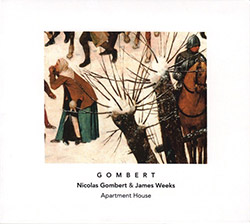 Nicolas Gombert / James Weeks:
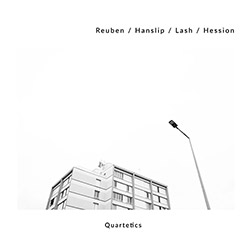 Reuben / Hanslip / Lash / Hession:
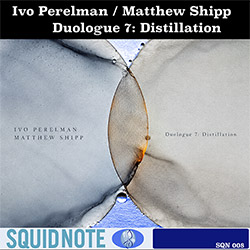 Ivo Perelman / Matthew Shipp:
 Ishmael Ali (Ishmael / Wilkerson / Wilkes / Baker / Tong / Harris):
 Marta Warelis (w/ LaMar Gay / Baars / Ng / Haker Flaten / Rosaly):
 Maya Bennardo / Erik Blennow Calalv / Kristofer Svensson:
 Charles K. Noyes:
 Marco Fusi / Pierre Alexandre Tremblay:
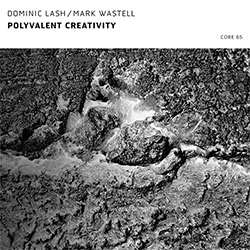 Dominic Lash / Mark Wastell:
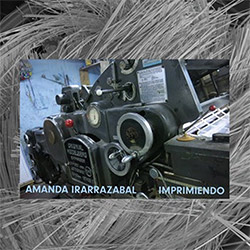 Amanda Irarrazabal: