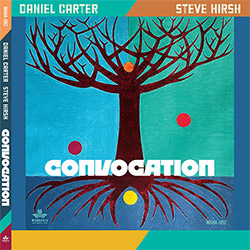
Rather like those products advertised as also including this or that, the advantage of duetting with New York improviser Daniel Carter is that he's a multi-instrumentalist. His inspiring sound ambidexterity is put to elevated adaptation during these five in sync tracks with Twins Cities drummer Steve Hirsh. A creative music veteran, Carter, who plays alto and tenor saxophone, flute, trumpet and piano here, has for decades worked with everyone from William Parker and Steve Swell to grunge bands. A late comer to improv, Hirsh has since participated in defining sessions with the likes of Joel Futterman, Parker and Carter.
Ascribing varied moods to each instrument — although he often plays more than one on certain tracks — "When Love" is the most revealing piece since Carter, who usually concentrates on spontaneous horn displays exhibits his individualized pianism. Building up from hunt-and-peck timbres and relaxed string prodding, he creates a climax with dynamic between-the-key emphasis and calculated tone projections. Meanwhile Hirsh uses carefully focused shuffles and cymbal hisses to intersect forcefully with the keyboard narrative.
This sort of in-the-moment parry and thrust envelopes the other tracks as well as Hirsh experiments with varied percussion strategies to meet Carter's keys-and-valves techniques. Mournful reed cries alternate with squeaking trumpet triplets at times, or breathy saxophone tones are suddenly succeeded by coarse brassy shakes. Nearly translucent flute trills also dart in and out of expositions as respites from tougher timbres including that emphasize reed split tones or half-valve stops. Relating to the circumstances, Hirsh's inventive percussion trick bag includes targeted drum top swells and rat tat tats alongside moderated saxophone choruses, while cymbal rattles and shakes temper strident triple tones from intense trumpet extensions.
The most distinctive instance of the duo's quick-change reactions occurs on the extended title track. Atop Hirsh's authoritative shakes, press rolls and vibrations, within the space of a few minutes Carter dashes among undulating ethereal flute trills to trumpet half-valve buzzes and to fragmented saxophone smears and ripples dug from the horn's body tube. And all this is while maintaining a horizontal flow. Accepting the drummer's near martial pulse, the transformation is completed as clenched grace notes buttress the connection.
This musical confab provides another instance of Hirsh's intuitive lead and backing percussion skills as well as exposing Carter's multiple sonic traits.




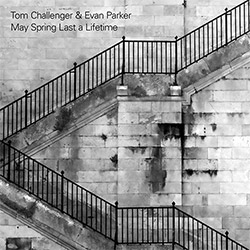 Tom Challenger & Evan Parker:
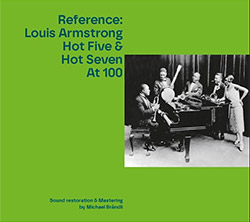 Louis Armstrong:
![John Tilbury: At Home [4 CD BOX] (Another Timbre)](https://www.teuthida.com/productImages/misc4/37729.jpg "John Tilbury: At Home [4 CD BOX] (Another Timbre)") John Tilbury:
John Tilbury: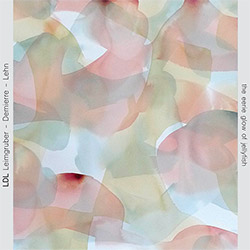 LDL (Leimgruber/Demierre/Lehn):
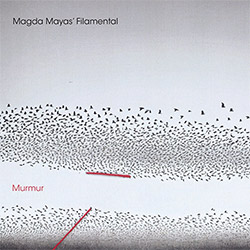 Magda Mayas' Filamental:
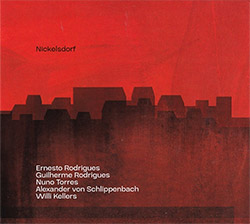 Rodrigues / Rodrigues / Torres / Schlippenbach / Kellers:
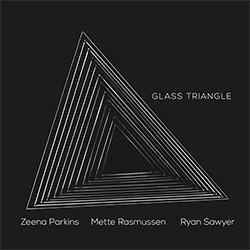 Parkins / Rasmussen / Sawyer:
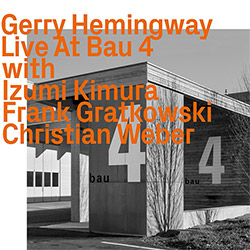 Gerry Hemingway / Izumi Kimura / Frank Gratkowski / Christian Weber:
 Christoph Gallio:
 Ryoji Ikeda: